
FAQs
Whether you’re just getting started in undergraduate research or looking to improve your level of engagement, this section is designed for you. Dr. Sims began working with just one student in 2007 and she has maintained a consistent level of engagement with as few as 2 to more than 10 across multiple semesters.
If you have questions about the resources or would like additional help, just contact Dr. Sims. If you don’t see a resource that you would like posted, please just ask!
-
Most students have been recruited through me making announcements in her classes that she enjoys working on research with students. This generates interest from a few students who continue to engage in research through the length of their undergraduate academic career or who choose to just enroll in a single independent study for one semester only. Another helpful recruitment strategy is to ask your existing research assistants to recommend a friend. Referrals from outstanding students tends to bring their outstanding friend students to the Diverse Student Scholars program. My hope is that this website clarifies the research opportunity for our future students and promotes greater engagement.
-
If you just want to test the waters, don’t be afraid to begin with just a single student! In show-and-tell fashion, allow that one student to meet with you weekly and you assign the student to complete weekly projects that should be finished before meeting with you the following week. Pick any project and aspire to just move that one project along (even if it does not get finished!). This is how I started, and the program grew from just that one-project independent study experience. You can choose to stick with one student per semester or grow beyond that.
-
I use all available resources that are offered to me plus more of my own money and sweat equity! The good news is that my own history of undergraduate research engagement parallels an increased undergraduate research emphasis at the University of Central Oklahoma. When I began my work, the university offered a faculty grant and student grant program, which involves a modest budget of $500 and 5 hours per week of paid research assistantship hours. I was a trailblazer in my College, which supported this engagement originally through permitting independent studies and funding students for conference presentations. New resources were added in the form of re-assignment time and additional student funding sources. So, my university and college have linked undergraduate research to the mission of transformative learning, which provided resources for this effort.
-
The first step is ensuring students carve out the time in their schedules for research work. Typically this means at least 5 hours per week (depending on the project) where the student(s) and I sync our schedules. Next, students complete online research training (at our university it’s the Protecting Human Research Participants (PHRP) training used by our university’s IRB); the student PHRP certificate is what I keep on hand. Along with these steps, I work a lot through templates, which helps new students have models and examples of how to complete the work that I assign.
-
Every semester I begin with my own personal time map (this lays out the time I will personally allocate to teaching, research, and service for that particular semester). I use the time map to slot in weekly meetings associated with undergraduate research commitments for Diverse Student Scholars (for me this falls into the “research” area of my time map). The benefit of this approach is it helps me drive the time commitment and know immediately how for that particular semester Diverse Student Scholars benefits my own academic focus. It also ensures that I have incorporated the time commitment realistically into my schedule. I suggest faculty begin by first developing their own personal undergraduate research plan (PURP) in a similar manner. I can share docs for developing your PURP if you need it, just email me!
-
Most of my work with Diverse Student Scholars has taken place outside of class time in weekly meetings (Yes! This is a lot of time!). In a few instances (see Fall 2011 and Spring 2016 Past Student Scholars), I have integrated research engagement into seminar classes, where 100% of the students in the class also had co-authored conference poster presentations.
-
Yes, if students enroll in an independent study, they can earn 1, 2, or 3 hours of credit for working with me on research. This appears on their transcripts as an upper-level marketing elective, and their enrollment in the independent study must be approved by the Marketing Department Chair and College Dean. The students earn a grade at the end of the semester based on their weekly meeting attendance and completion of research assignments.
-
Diverse Students Scholars has documented a great deal of impact on students. Take a look at the Our Impact page in the About Us section of our website. Also, view the Relevance of Our Work to see a few vitas of students who have spent time working with me on research. The vitas, especially, capture the types of tangible claims and transferable skills students are able to share as they pursue employment or graduate school following engagement in Diverse Student Scholars. The photo gallery also captures some of the fun and places students have travelled for research presentations including San Juan, South Africa, Chicago, and Washington, DC to name a few.
Free Resources
-
Research Poster
See a sample student research poster from an actual Diverse Student Scholar, Miss Karen Anderson.
-
Schedule Template
Get a copy of the schedule template used by Dr. Sims and her scholars for your own projects and students.
-
Research Schedules
Browse the research schedules of all of Dr. Sims’ research assistants too see their work in action.
-
Managing Students
How to Manage Student Researchers: Creating Clear Expectations for the Student Researcher
-
Undergraduate Research
3 Students, 3 Posters and a Faculty-Mentored Project: Engaging Undergraduates in Research
Focus Areas
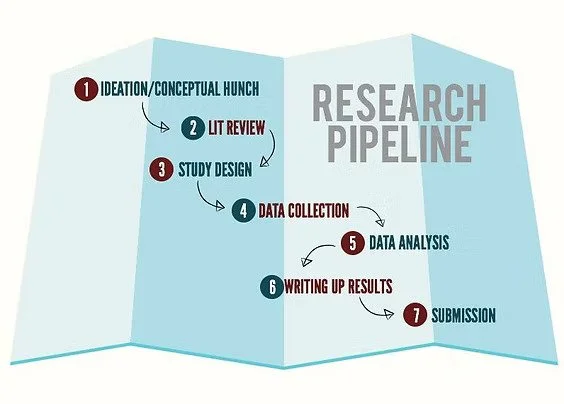
The primary work of Diverse Student Scholars is centered on the first facet of our mission, which is engaging students in the research pipeline process of scholarly inquiry. From in-class projects and poster presentations to out-of-class funded grant projects, we have explored a number of topics related to:
marketing
strategic communication
persuasion and influence
workforce diversity
teaching and transformative learning
campaigns
social media
undergraduate research
Topics are selected by Dr. Sims and student scholars based on personal interests. Each project begins with the same conceptual process of ideation and concludes with a submission for either conference presentation or journal publication.